Editing Room
A space where creative women of the past inspire the creative women of the present.
- Year
- 2022
- Collaborator
- Konsept X
- Venue
- Landmark, Bergen Kunsthall
- Line-up
- Five DJs and one VJ
- My role
- Concept, strategy, visual identity, communication, DJ
Women in technical artistry
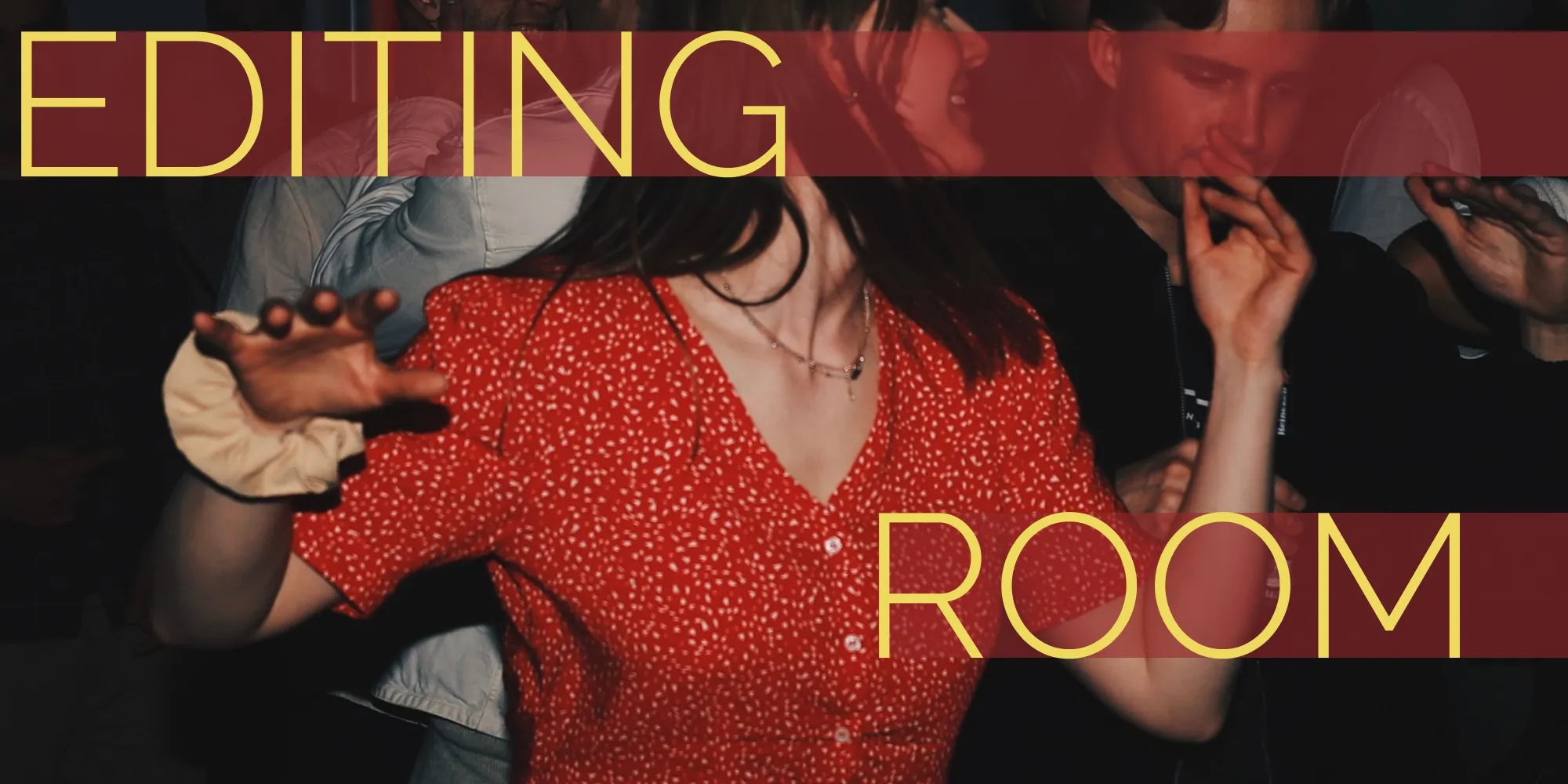
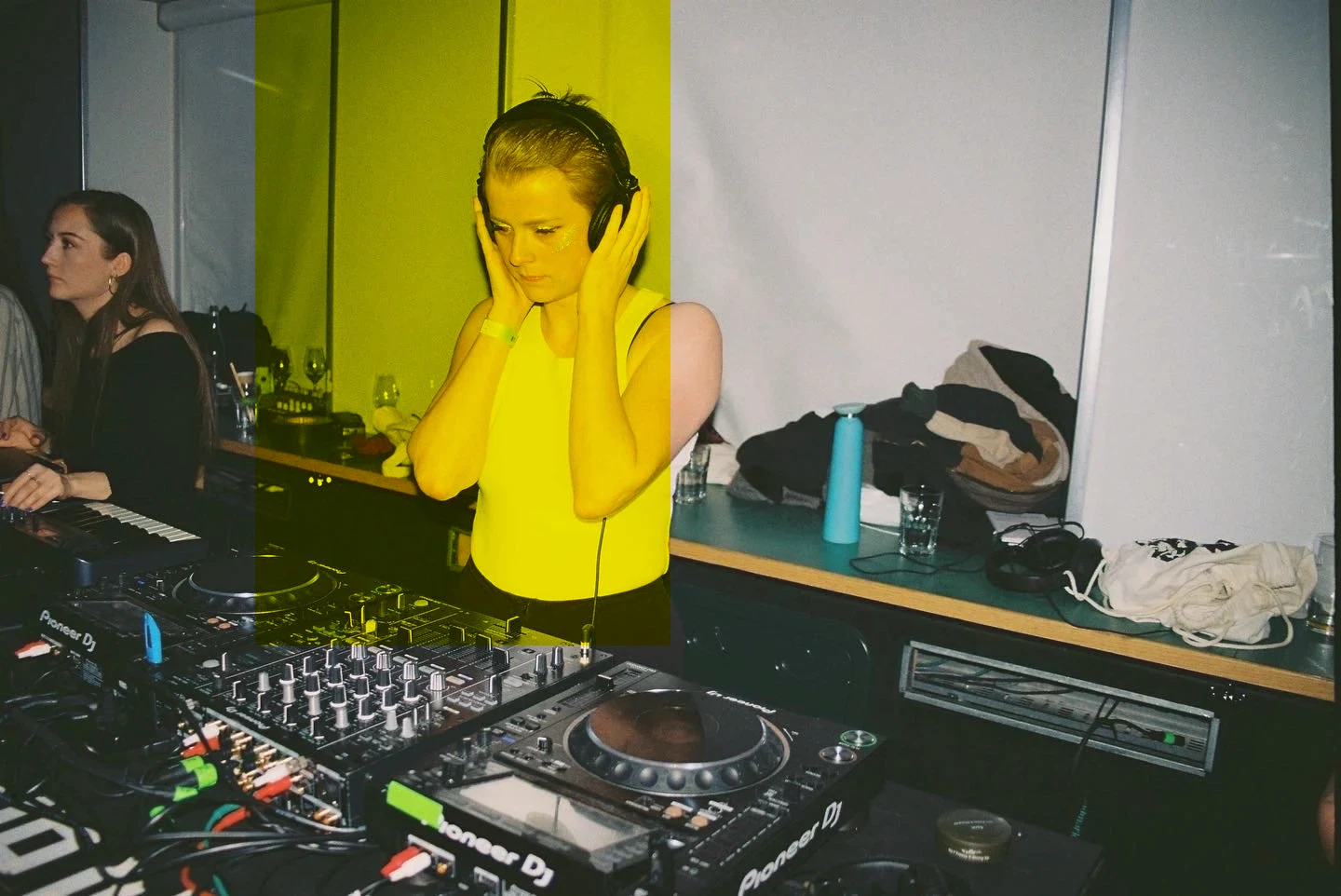
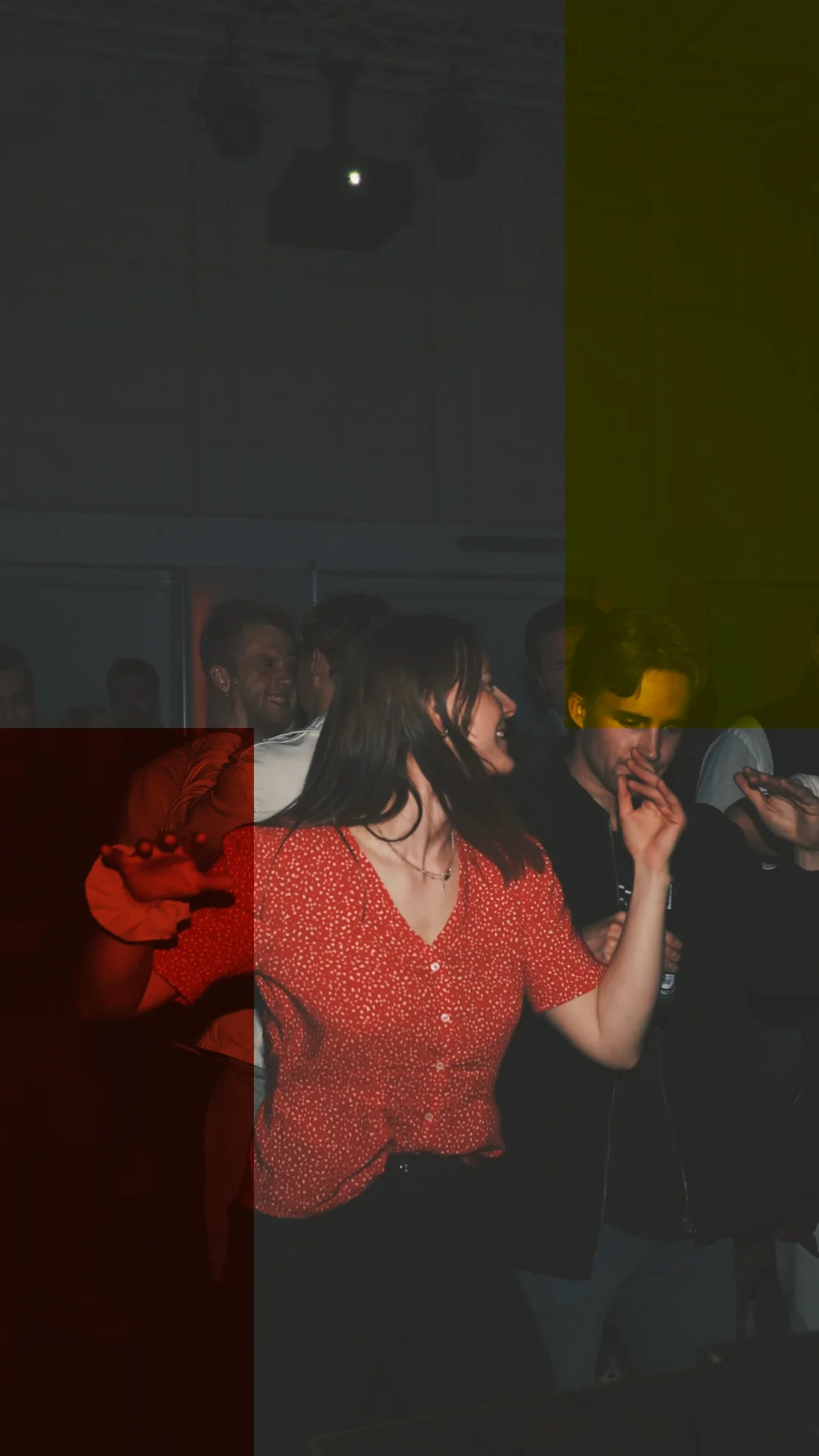
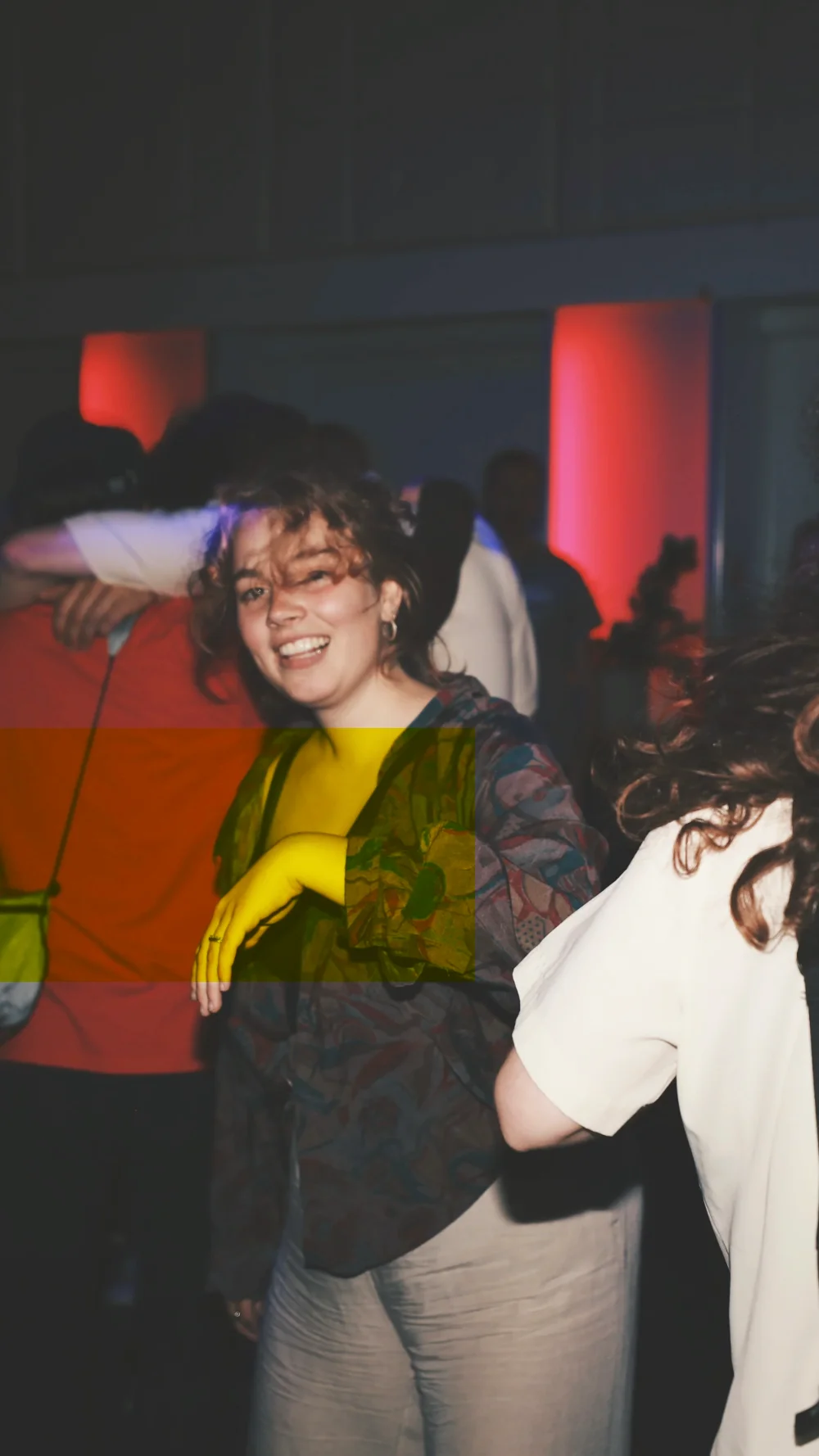
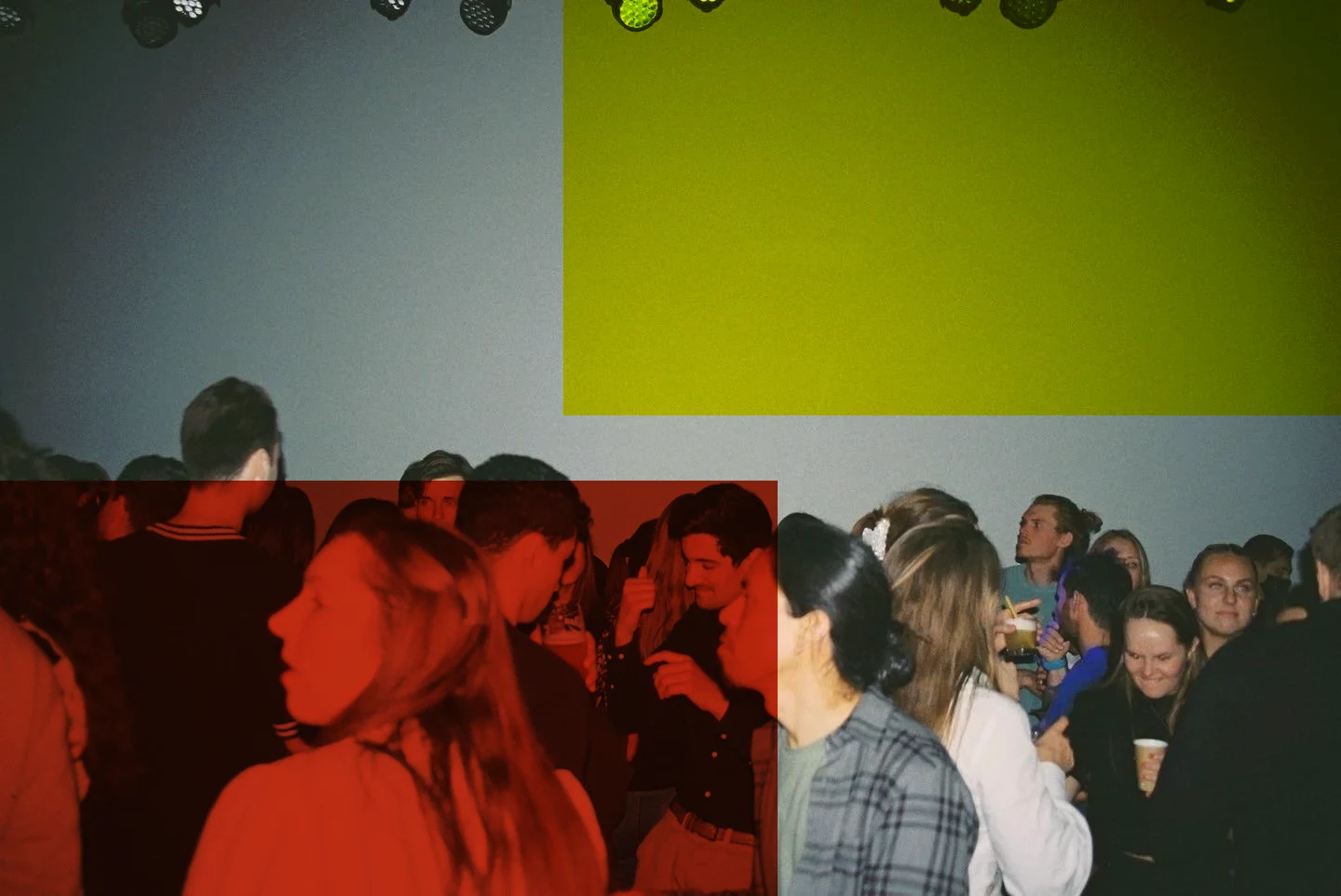
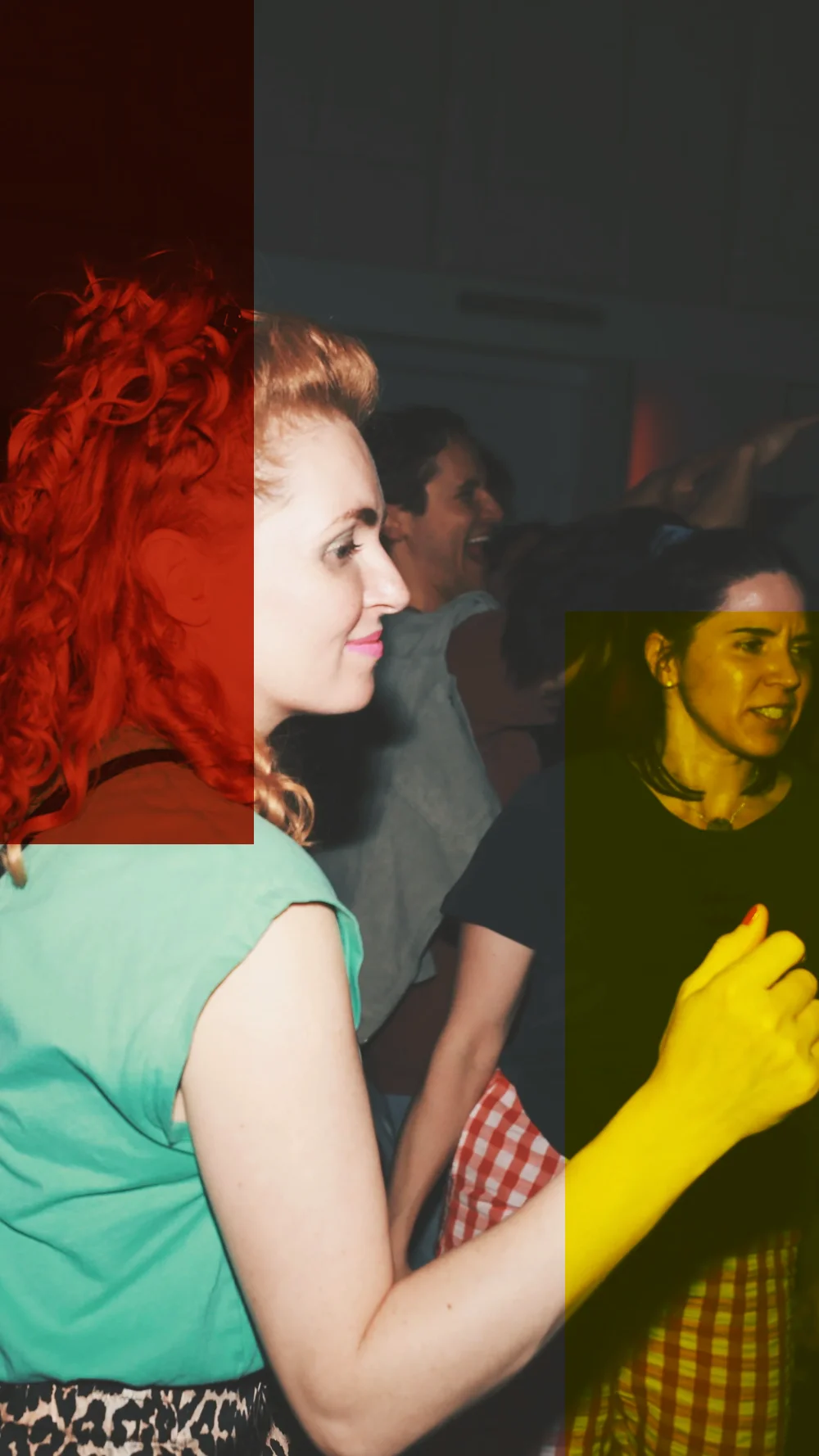
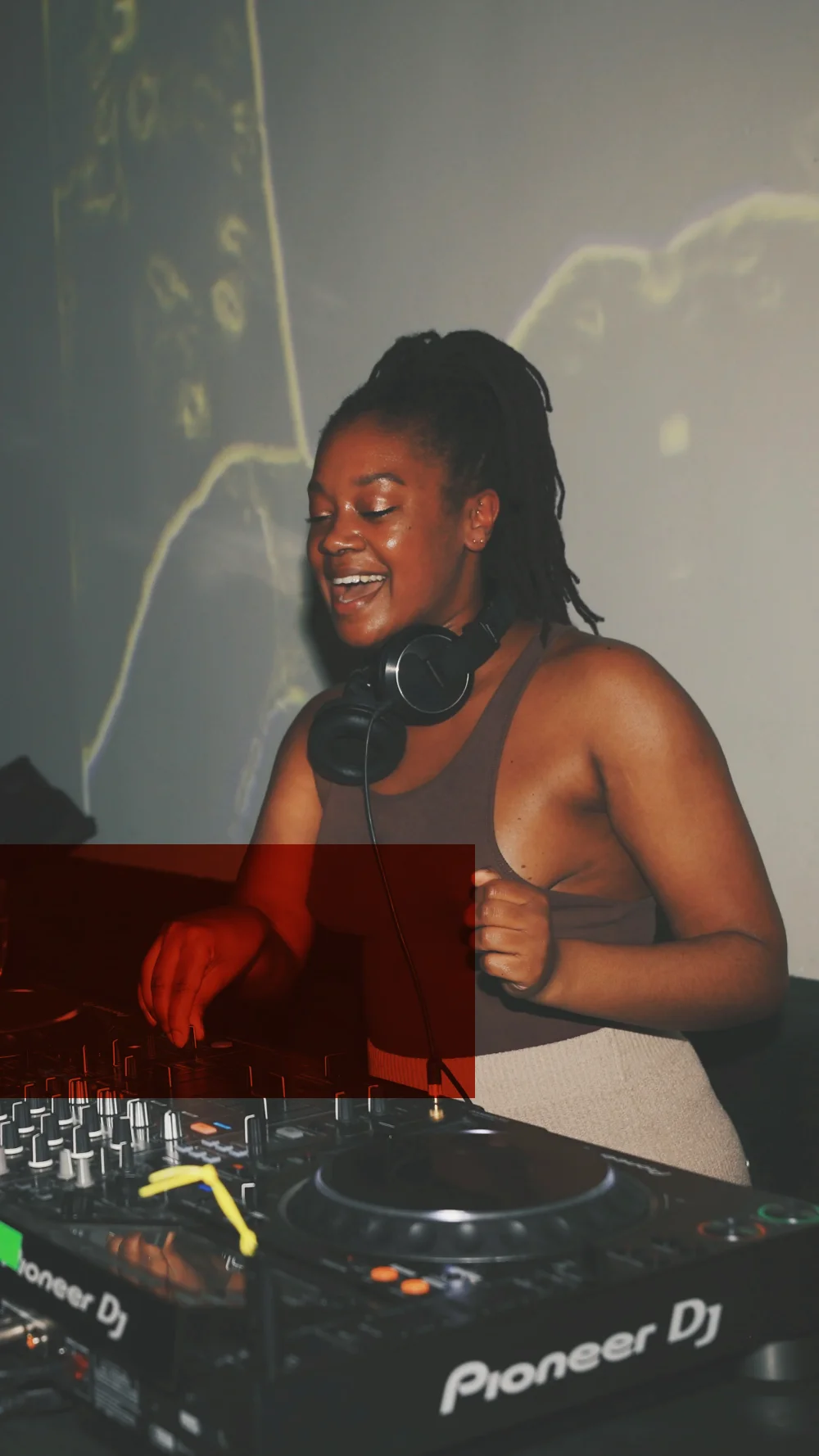
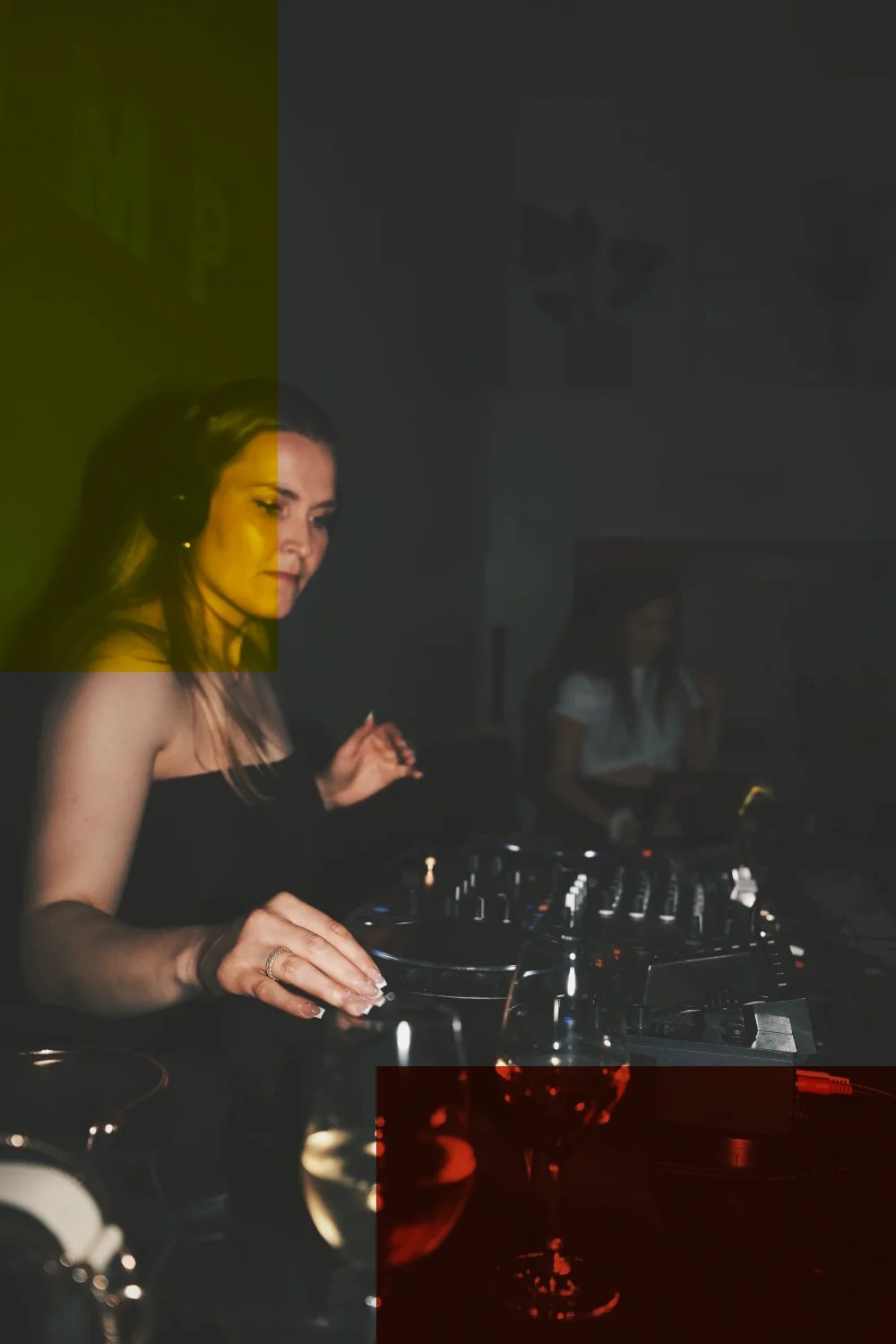
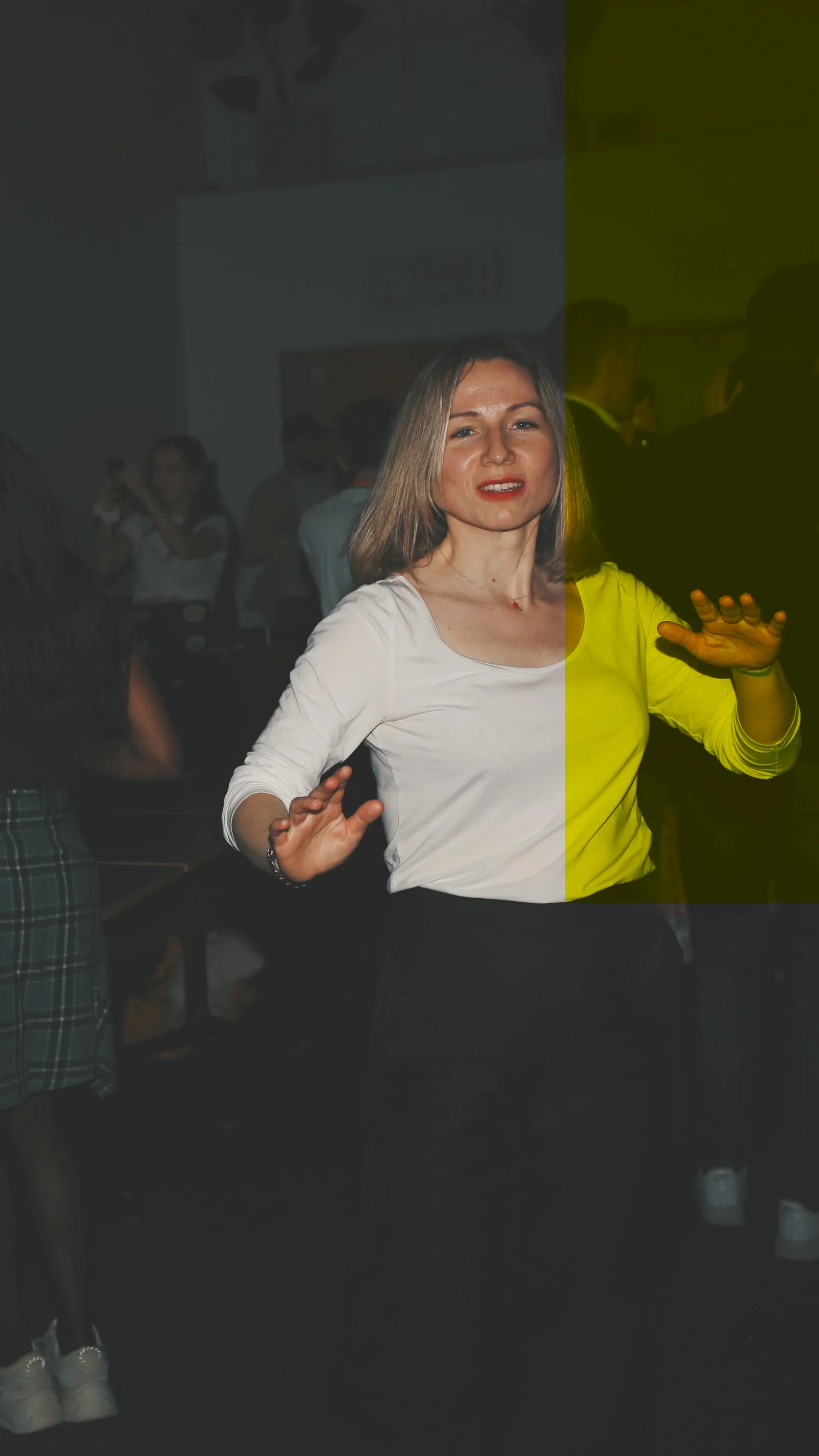
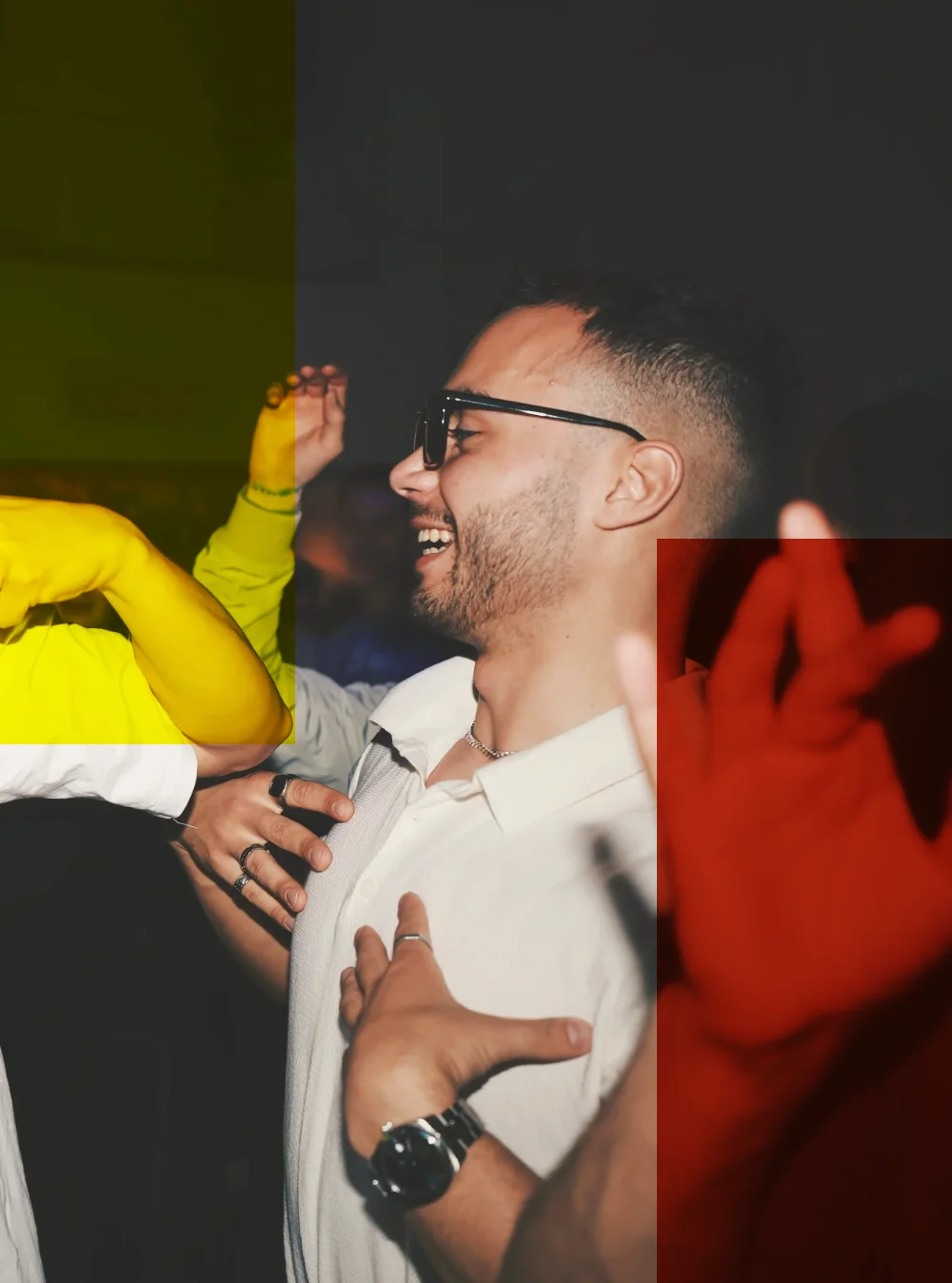
EDITING ROOM is a nightclub event with a purpose to create an audiovisual experience that explores women’s global involvement at all levels of film production during the silent film era. This project challenges the established idea of film being solely the product of “cinema’s great fathers” and to repurpose the forgotten technical artistry of the past.
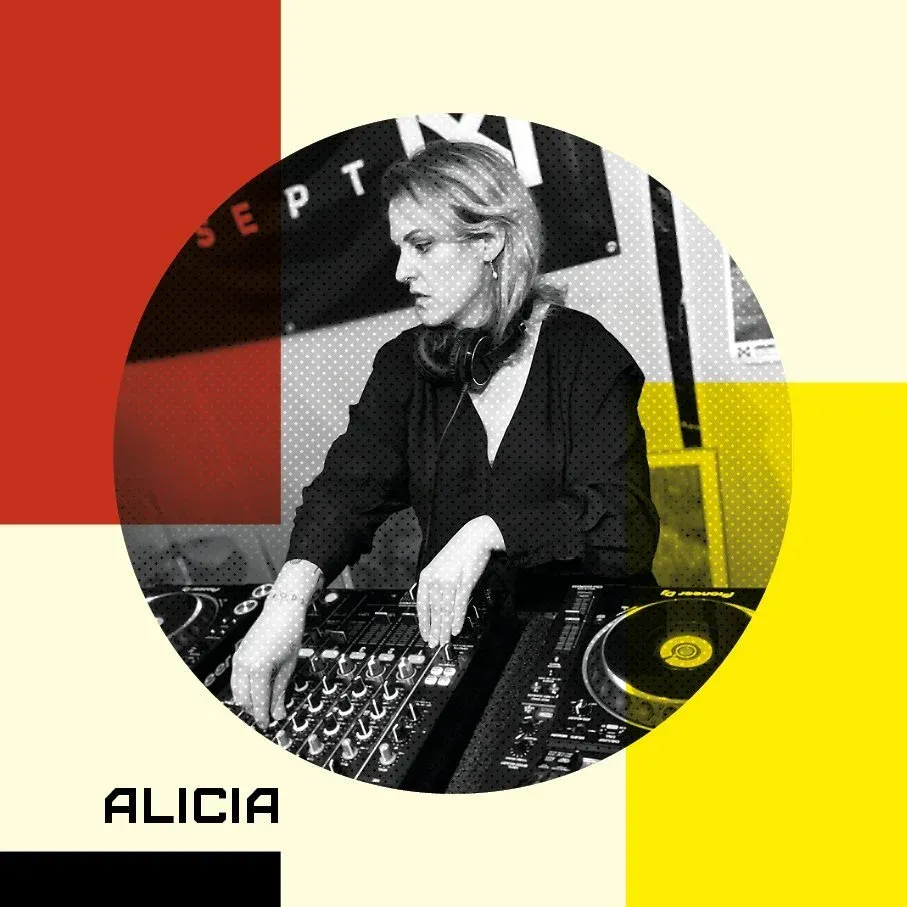
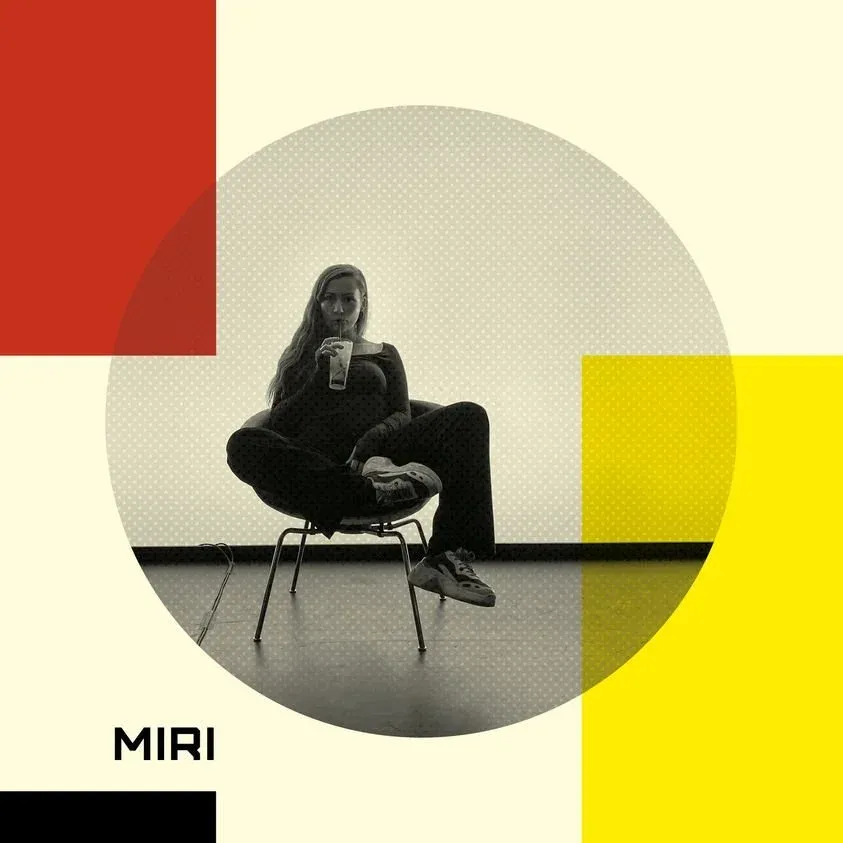
I have a background as a communication strategist, marketeer, project leader and Disk Jockey. EDITING ROOM became a chance for me to bring these skills and my network together, to create an experience that was as enthralling and informative for the contributors as for the audience. Together with the DJs and the VJ from my network of creative women, who were also the artists and musicians of the night, we set out to merge multiple art forms and pay homage to those, often unknown, who came before.
The muse
In both film and music women have often been at the forefront of artistic discoveries through new technology, but in the background of the publicity these discoveries received. Labour in film laboratories, such as cleaning, sorting and selecting film and negatives, was seen as akin to domestic chores like sewing, weaving, and other “feminine activities”.
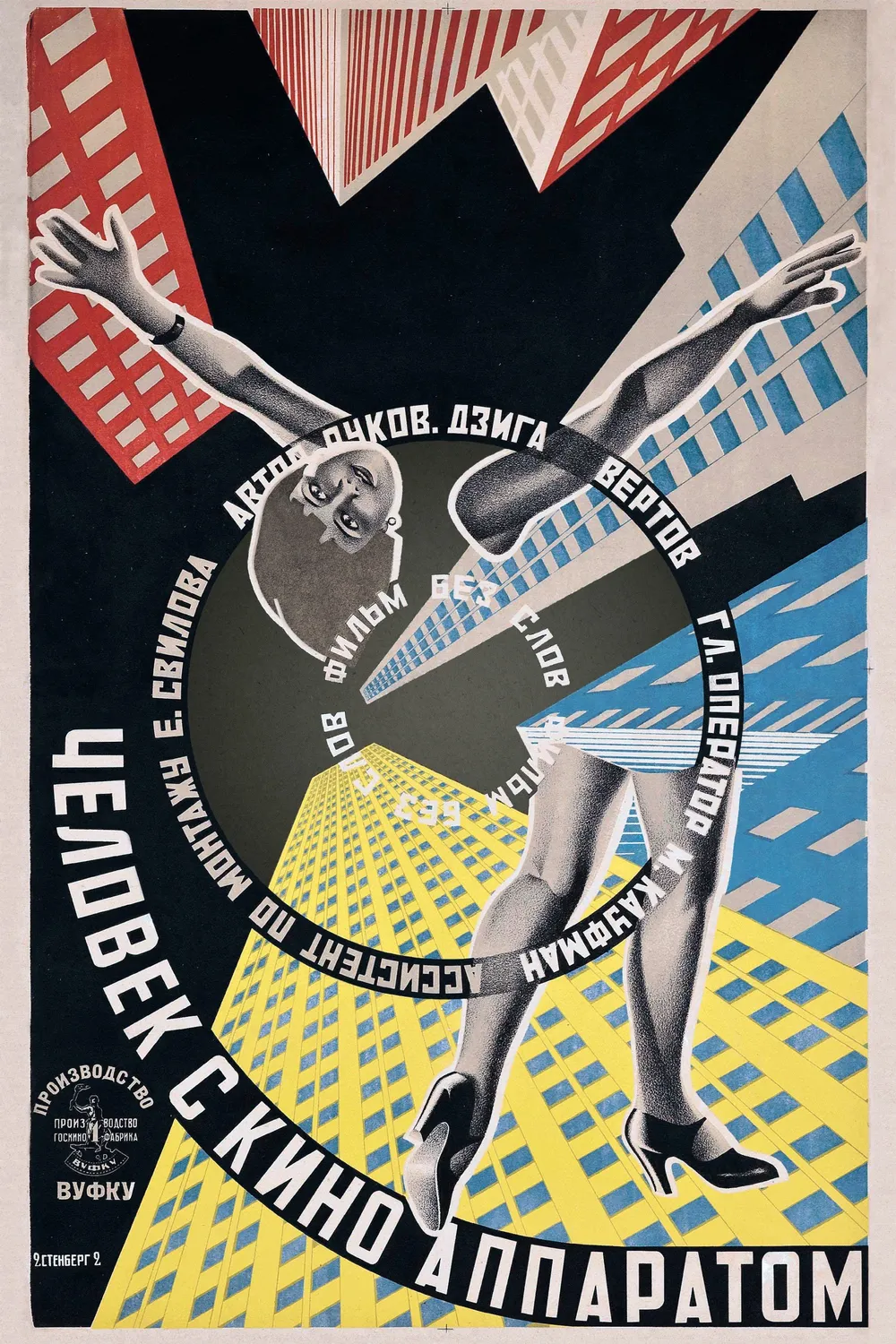
One of them was Yelizaveta Svilova, a Soviet film editor who helped shape early montage. Svilova edited Man with a Movie Camera, an experimental 1929 Soviet silent documentary film, together with her husband, Dziga Vertov.
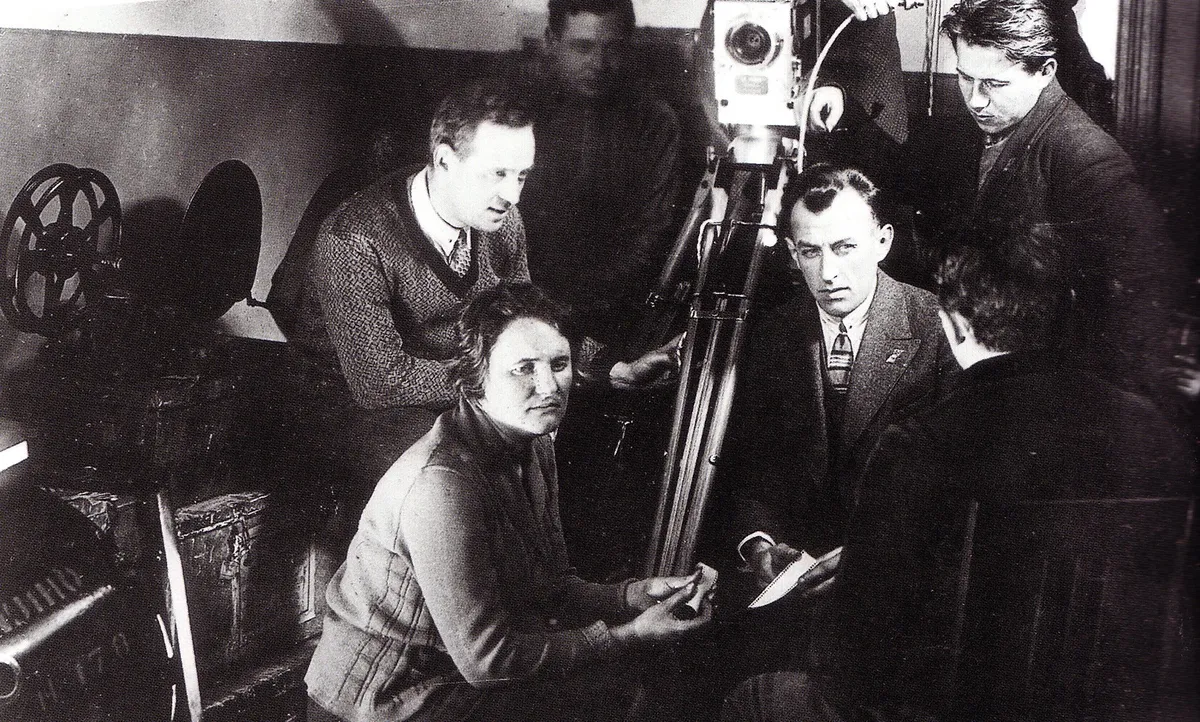
The pair famously became involved after Vertov left a basket of one-frame shots in the editing room, only to become dejected when the editors discarded the shots in the garbage thinking they were scraps. Svilova reportedly took pity on Vertov’s disappointment and edited a short film together with the segments.
Vertov’s film theory and practice focused on montage as the guiding force of cinema, which shows the role Svilova’s experimentation played in early Soviet film and global film history.
Svilova took a leading role in Vertov’s Kinoki group. They sought a form of film that would capture the reality of everyday life in the nascent Soviet Union. She consistently worked on site at the group’s film shoots, as Vertov relied on her editorial eye to choose locations and subjects to be filmed. Kinoki considered every portion of the filming process to be part of a montage, and Svilova’s work and decisions went far beyond the cutting together of film fragments.
Her career went on well beyond the work with her husband.
Naming and visual identity
The name EDITING ROOM points back to the room where much of women’s work in early film was done. It is a term from film processing, and also a metaphor for revisiting history, like stepping into a room where stories are reshaped and retold.
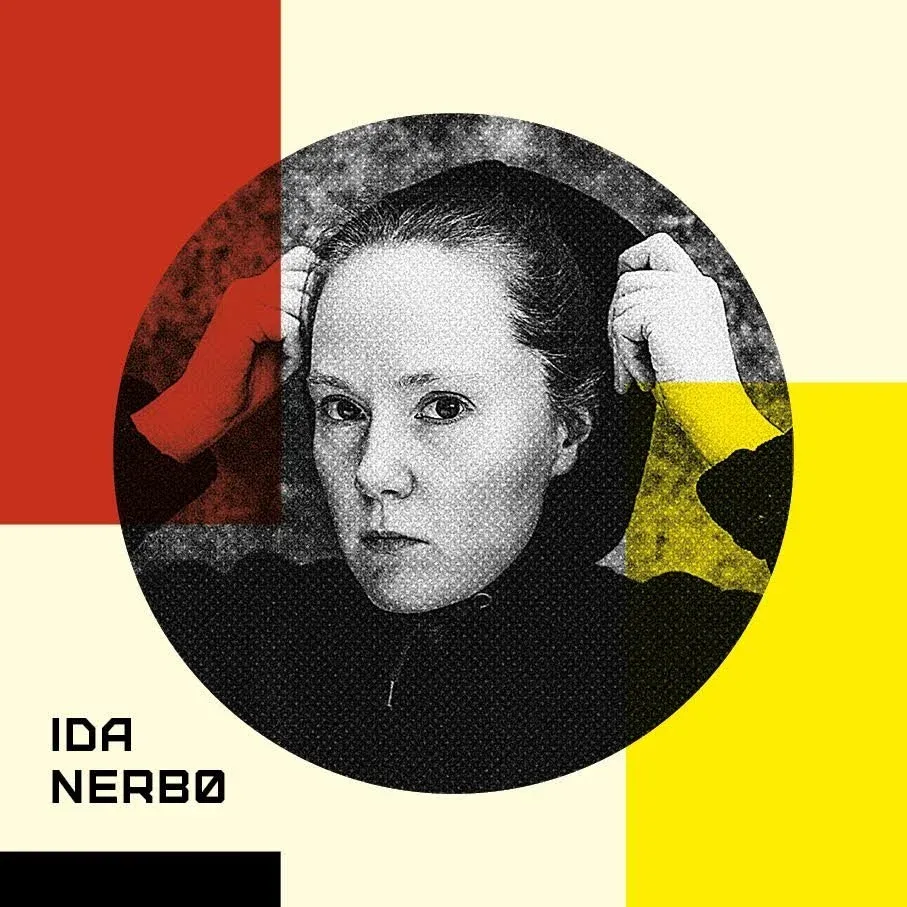
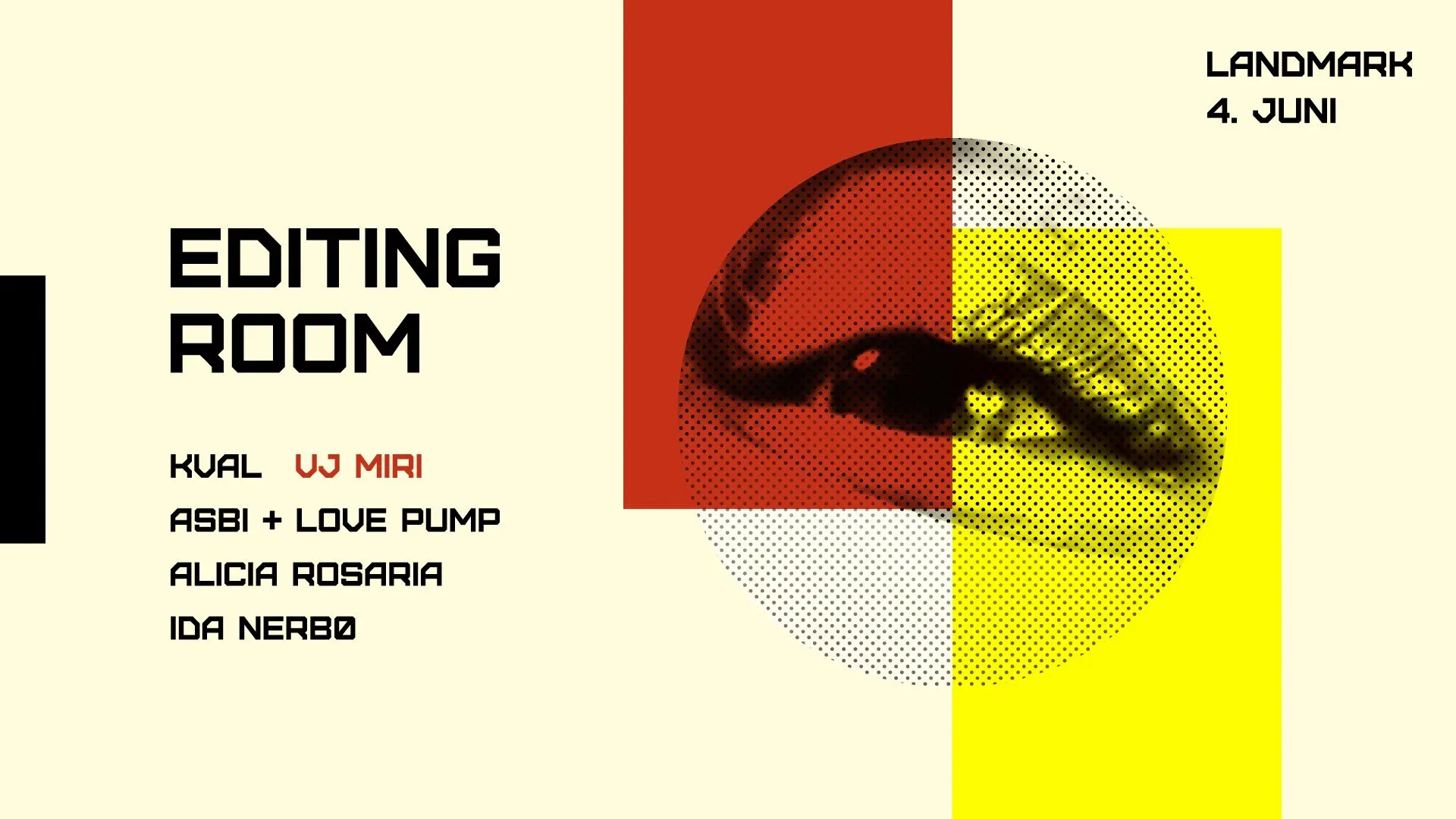
The visual identity of EDITING ROOM draws inspiration from Man with a Movie Camera and its dynamic cinematography and rhythmic editing. The color palette is inspired by vintage movie posters.
#FFFBDD
RGB 255 / 251 / 221
#000000
RGB 0 / 0 / 0
#C53018
RGB 197 / 48 / 24
#FFFC01
RGB 255 / 252 / 1
Material



The events



Next project
Rosemaling Studio →